
Are Health Drinks Unhealthy for Teeth?
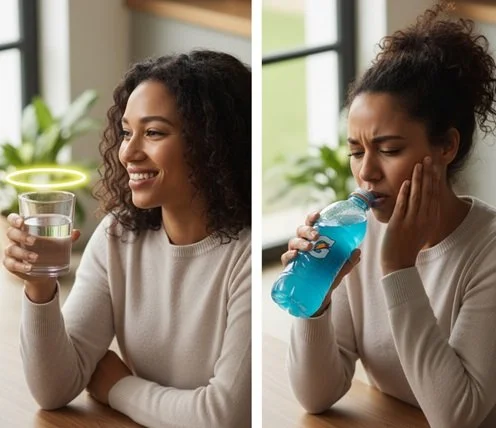
That first sip of morning coffee, a refreshing iced tea on a warm afternoon, a cold sports drink during an intense workout, or sharing a bottle of wine with friends are, for many of us, cherished daily rituals. These simple pleasures seem harmless, if not healthy. Many of these drinks are sold with advertisements touting their health benefits. Yet, the potential harm to teeth of repeated exposure, hundreds of times over, can be an afterthought.
Don’t let that be the case. Learn how you can keep enjoying your favorite beverage while protecting your teeth and gums from long-term damage. These are the key factors that determine how "good" or "bad" a drink is for your teeth:
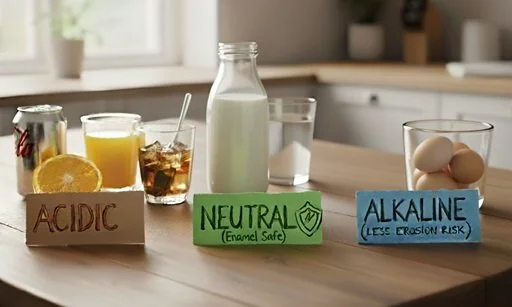
Acidity (pH Level): This is often the most significant factor. Low pH (acidic) drinks erode and dissolve tooth enamel, a process that is irreversible. This is why diet sodas are still very damaging. When the pH in your mouth drops below 5.5, your enamel is at risk.
Sugar Content: Sugar feeds the harmful bacteria in your mouth, which then produce acids as a byproduct as carbohyrates ferment. This leads to plaque formation, cavities, and gum inflammation (gingivitis).
Staining Potential: Pigmented molecules (chromogens) and tannins in drinks like coffee, tea, and red wine can adhere to enamel, causing discoloration.
Exposure Time: Ideally, any potentially harmful drink would spend too little time in your mouth to do any damage. Within 30 minutes of finishing your food or beverage, the pH level in your mouth typically returns to neutral. However, sipping a liquid means constant exposure for a prolonged period and some drinks (e.g., milkshake, protein shake, yogurt drink) may easily coat surfaces in your mouth.
Positive Attributes: Some drinks have beneficial qualities. For example, water often contains fluoride, and milk contains calcium and phosphates that can help remineralize and strengthen teeth. Fat reduces the risk of cavities because it can provide a protective barrier for the teeth and inhibit the growth of bacteria.
Water: Clearly the Best?
It’s no surprise that water is the best drink for your oral health. It’s free of sugar and acid, helps rinse away food particles and bacteria, and keeps your body and gums hydrated. Fluoridated tap water offers the added benefit of strengthening your enamel against decay.
While ice water is harmless to drink, chewing on ice cubes is not. This habit can crack or chip your teeth, creating surfaces where bacteria can hide and potentially leading to serious dental work down the line.
Which Beverages Can You Trust for Healthy Teeth?
While water is the only true worry-free drink, you don’t have to switch to water exclusively. Many drinks present a low level of concern, and almost any drink can be enjoyed in moderation.
Here’s how they rank:
No Concern
- Water
- Most Herbal Teas
Low Concern
- Water with Ice
- Iced Tea (no added sugar)
- Whole Milk
Mild Concern
- Seltzer
- Coffee (unsweetened)
- Yogurt Drinks (unsweetened)
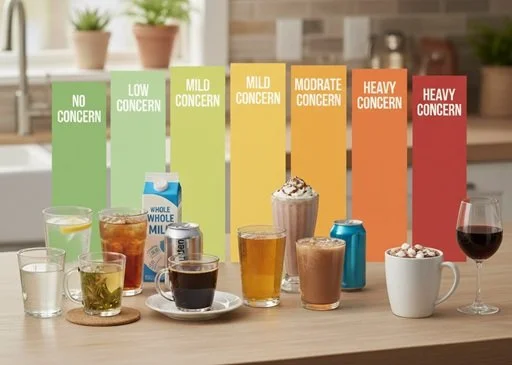
Moderate Concern
- Chocolate Milk & Hot Chocolate
- Milkshakes
- Sweetened Tea & Coffee
- Sports Drinks
- Beer & Liquor
Heavy Concern
- Juice
- Soda (regular/diet) & Carbonated Energy Drinks
- Hot Chocolate with Marshmallows
- Smoothies & Milkshakes with Candy or Cookie Bits
- Wine & Cocktails
How do You Take Your Coffee and Tea?
Whether you prefer a hot latte or a cool iced tea, these beverages are notorious for one primary reason: staining. Both coffee and tea contain compounds called tannins, which adhere to tooth enamel and cause yellow or brown discoloration over time. Tannins aslo lower the pH inside your mouth. Erosion of your enamel can occur when the surrounding pH drops below 5.5 for an extended period of tim; the lower the pH, more acidic and quicker the wear.
The Problems:
Staining: Tannins build up, dulling the natural brightness of your smile.
Acidity: Black coffee and many teas are acidic, which can soften tooth enamel, making it more vulnerable to wear.
How to Minimize the Harm:
Add Milk or a Non-Dairy Alternative: Casein in dairy milk can bind to tannins, reducing their ability to stain. Milk also raises the pH of acidic drinks. While milk does have some sugars, the amount is minimal compared to juice and other sweet drinks.
Rinse with Water Afterward: A quick swish of water after you finish your drink helps wash away staining compounds and neutralize acids.
Use a Straw: For iced coffee and tea, a straw helps bypass your front teeth, minimizing direct contact and staining.
Are Juice and Sports Drinks Wolves in Sheeps’ Clothing?
Many people reach for fruit juice or a sports drink thinking they are making a healthy choice. While they may contain vitamins, they are often loaded with as much sugar as a can of soda and are highly acidic.
The Problems:
Acidity: Juices (especially citrus, like orange and grapefruit) and sports drinks contain acids that directly erode tooth enamel. This erosion is irreversible and can lead to sensitivity and an increased risk of decay.
Sugar Content: The natural and added sugars in these drinks feed the bacteria that cause plaque buildup and gum inflammation.
How to Minimize the Harm:
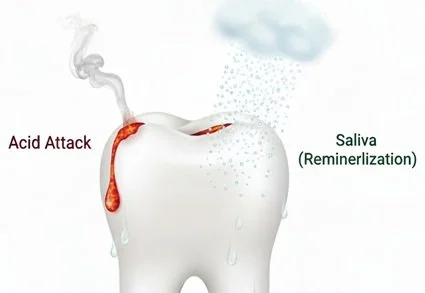
Drink with a Meal: Saliva production increases during meals, which helps neutralize acid and rinse away sugar.
Dilute Your Juice: If you drink juice at home, consider diluting it with 50% water to cut down on the sugar and acid concentration.
Check the Label: Opt for 100% juice instead of “fruit drinks” or “cocktails,” which often have more added sugar. For sports drinks, reserve them for when you actually need to replenish electrolytes after intense exercise.
Is Soda Even Worse than You Thought?
This category poses the biggest threat to your oral health. The combination of extreme acidity and high sugar content creates a perfect storm for enamel erosion and decay. Even diet sodas are a heavy concern for your tooth health because they are often more acidic than regular soda; and, studies have shown both diet and regular soda to harm teeth to a simialr extent.
The Issues:
Extreme Acidity: Sodas and energy drinks contain acids like phosphoric acid, citric acid, and carbonic acid. This is true for regular, but especially diet/zero-sugar versions. This acid attacks your enamel on contact, weakening the protective layer of your teeth.
Enormous Sugar Content: A single can of regular soda can contain more than your entire recommended daily sugar intake, providing a feast for harmful bacteria.
How to Minimize the Harm:
Occasional Indulgence: The single best thing you can do is reduce your frequency. These drinks should not be a daily habit. Your body is resilient but isn’t built to resist chronic abuse.
Don’t Sip All Day: This is the most damaging way to consume them, as it creates a constant acid bath for your teeth. Drink it quickly.
Rinse with Water Immediately: After finishing, rinse your mouth thoroughly with water to wash away residual sugar and neutralize acid.
Will Beer, Wine, and Liquor Make Your Teeth Sicker?
The simple addition of alcohol to any drink raises the threat level. And, many alcoholic drinks ares sugary and acidic already. However, there are ways to minize the damage.
The Issues:
Dry Mouth (Xerostomia): This is the most significant and often overlooked problem. Alcohol is a diuretic, which dehydrates your body. It also reduces saliva flow. Saliva is your mouth's most important natural defense—it neutralizes acids, washes away bacteria, and remineralizes enamel. A dry mouth is a highly vulnerable mouth.
Acidity: Wine is the most famous offender. Both red and white wines are highly acidic, falling well below the 5.5 pH level where enamel erosion begins. This acid softens your teeth, making them susceptible to damage.
Sugar: Cocktails are frequently loaded with soda, juice, and sugary syrups. Off-dry and sweet wines have residual sugars, sometimes a lot. Even beer contains fermentable carbohydrates. This sugar is a direct food source for the bacteria that cause gum disease and cavities.
Staining: The dark pigments (chromogens) and tannins in red wine are notorious for causing deep, hard-to-remove stains on tooth enamel.
How to Minimize the Harm:
Hydrate with Water: This is the single most important tip. For every alcoholic drink you have, drink a glass of water. This rehydrates you, combats dry mouth, and helps rinse away acids and sugars.
Choose Your Drink Wisely: The worst offenders are sugary cocktails and sweet wines. If you drink wine, white wine is less likely to stain, though it often more acidic. Unadulterated liquors like rum, whiskey, vodka, gin, and tequila or dry wines tend to have much less sugar for bacteria to consume.
Don't Sip All Night: As with other damaging drinks, nursing one drink over several hours creates a constant acid bath for your teeth.
Rinse Vigorously: After you've finished, rinse your mouth thoroughly with water to neutralize the pH and wash away residue. Wait at least 30-60 minutes before brushing.
Tips that Help After Any Drink
Regardless of your drink of choice, these universal tips are your best defense:
Wait to Brush: After an acidic drink, your enamel is temporarily softened. Brushing immediately can scrub away this weakened enamel. Wait at least 30-60 minutes before brushing to give your saliva a chance to remineralize your teeth.
Stay Consistent with Hygiene: The damage from these drinks is cumulative. Your best defense is a diligent daily routine of brushing twice a day and flossing once a day. This removes the plaque that sugar helps create before it can lead to gum inflammation (gingivitis) or harden into tartar.
Get Regular Professional Care: Even with perfect home care, tartar can build up below the gumline. This is where a periodontist comes in. We are specialists in gum health and can identify early signs of damage like gum recession, which can be accelerated by acid erosion. Professional cleanings are essential for removing hardened plaque (calculus) that your toothbrush can't, stopping gum disease in its tracks.
Enjoy a Lifetime of Healthy Teeth
Life is meant to be enjoyed. That includes your favorite beverages and your favorite teeth. You can avoid most unpleasant complications by avoiding prolonged sipping, rinsing with water, and following a few other tips depending on your drink of choice.
If you have questions about your dental care or want to schedule an appointment, contact us today at (732) 587-6740.